Skip to content
Deciding whether to repair or replace your concrete driveway can be challenging. Your driveway endures heavy use and constant exposure to the elements, so wear and tear are inevitable over time. Small cracks or stains can be easily fixed, but larger structural issues may signal it’s time for a full replacement. Want to know when to replace the driveway? We’re here to help you figure it out!
You can choose the best investment for your house if you understand how the two options differ and which factors affect longevity, safety, and value. Let’s explore the key considerations to help you navigate this process harmoniously and determine if you should repair or replace a concrete driveway.
Understanding the Lifespan of a Concrete Driveway
A well-installed and properly maintained concrete driveway typically lasts 25 to 30 years. However, its lifespan can vary depending on climate, soil stability, and installation quality. Regular maintenance and timely driveway repair can extend its life, but eventually, every surface reaches a point where repairs are no longer cost-effective.

How Long Does a Concrete Driveway Typically Last?
Most concrete driveways hold up for several decades, but only if they’re cared for properly. Freeze-thaw cycles, poor drainage, and heavy loads can shorten that timeline. Recognizing when to replace the driveway before serious deterioration occurs prevents safety hazards and higher repair costs later.
Common Factors That Affect Driveway Durability and Performance
Environmental conditions play a massive role in your driveway’s longevity. Excess moisture, tree root intrusion, and heavy vehicles all strain the concrete surface. Poor installation, especially insufficient base preparation, can also lead to early cracking. Addressing drainage issues early and applying sealant every few years helps preserve durability.
Signs Your Driveway Is Near the End of Its Lifespan
If you notice deep cracks, widespread flaking, or uneven areas that collect water, it may be time to repair or replace a concrete driveway. Minor surface damage can often be resurfaced, but large structural issues or recurring potholes typically indicate it’s nearing the end of its usable life.
Common Driveway Problems and What They Mean
Understanding the difference between surface-level flaws and structural failures helps you choose the right solution. Some issues may only require a quick patch, while others indicate foundational damage that calls for driveway replacement.
Identifying Surface-Level Damage vs. Structural Issues
Surface cracks or minor discoloration often result from age or exposure. These can usually be fixed with patching compounds or resurfacing. However, deep cracks that extend through the slab or uneven sinking caused by shifting soil signal more serious structural problems, making full replacement the safer, longer-lasting choice.
Causes of Cracks, Pitting, and Spalling in Concrete Driveways
Concrete damage can stem from several causes:
- Improper installation leading to weak bonding.
- Poor drainage that allows water to seep under the slab.
- Low-quality materials or freeze-thaw cycles that weaken surface layers.
Identifying the root cause helps determine whether you should repair or replace your concrete driveway to prevent the same issues from recurring.
How Weather and Soil Movement Impact Driveway Integrity
Temperature swings cause concrete to expand and contract, while soil movement beneath your driveway can lead to settling and cracking. Proper grading and reinforcement during installation, and timely repairs afterward, can prevent major failures.
When to Choose Driveway Repair Over Replacement
Not every imperfection means you need a brand-new driveway. For minor cracks, stains, or worn finishes, a repair may be a simple and affordable solution.

Minor Cracks, Stains, and Cosmetic Issues You Can Fix
Hairline cracks, surface stains, and faded color are often cosmetic. These can be resolved with sealants, patching, or resurfacing, restoring the look and extending the life of your driveway without the expense of replacement.
Cost-Effective Repair Solutions for Concrete Driveways
For light to moderate damage, epoxy fillers, crack sealers, or resurfacing materials can restore appearance and prevent further deterioration. Regular concrete driveway sealing also protects against water damage and staining, making these small investments worthwhile for maintaining your property’s curb appeal.
How Professional Resurfacing Can Extend Driveway Life
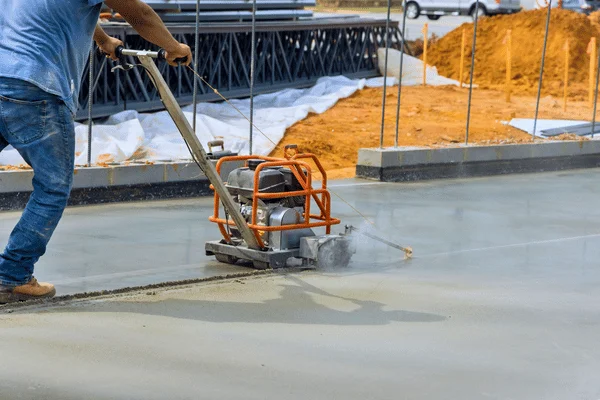
Professional resurfacing applies a durable top layer over your existing driveway, covering imperfections and adding protection. It’s less costly than replacement, enhances appearance, and provides several additional years of use when performed by an experienced contractor.
When to Replace a Driveway Completely (and Why It’s Worth It)
If your driveway suffers from major structural damage, extensive cracking, or poor drainage, complete replacement may be the best long-term solution. When you are deciding if you can repair or replace a concrete driveway- here is what you need to know.
When Structural Damage Calls for Replacement
Replacement is recommended when you see:
- Large cracks or potholes are spreading across multiple areas.
- Sections of the driveway that sink, shift, or heave.
- Crumbling edges or exposed rebar.
These signs indicate foundational failure, something patching alone can’t fix.
Benefits of Full Driveway Replacement
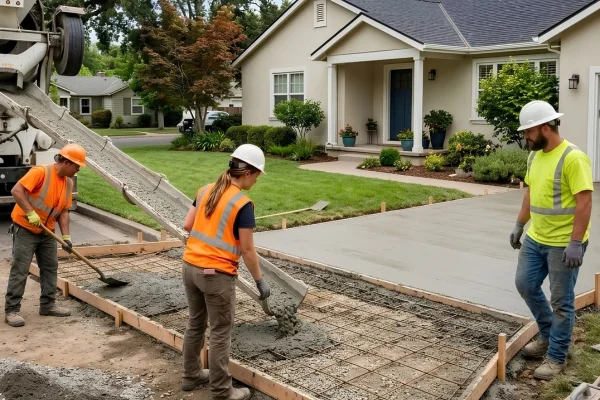
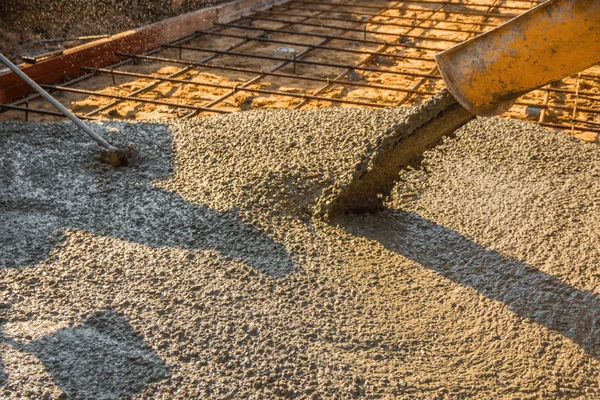
Installing a new concrete driveway or walkway enhances safety, prevents trips and falls, and promotes better water drainage. It also boosts property value and curb appeal. With proper installation, your new surface can last for decades with minimal maintenance, providing a strong return on investment.
Modern Driveway Materials and Design Upgrades
Driveways nowadays can be as practical as they are beautiful. Consider upgrades like:
- Permeable concrete for better drainage.
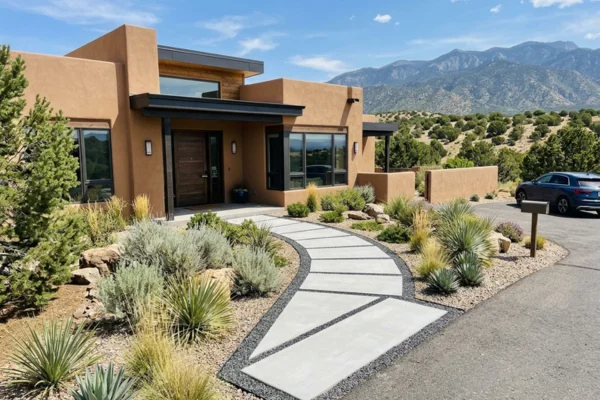
- Stamped or colored finishes for visual appeal.
- Reinforced concrete for greater durability.
These enhancements make replacement not just practical but visually rewarding.
Comparing Costs: Repair vs. Replace Concrete Driveway
When deciding whether to repair or replace a concrete driveway, cost is a major factor. Small repairs may only cost a few hundred dollars, while full replacement can run several thousand, but the long-term benefits often justify the investment.
Average Cost Breakdown for Driveway Repairs
- Crack filling: $100–$300.
- Resurfacing: $1.50–$3.50 per sq. ft.
- Replacement: $8–$12 per sq. ft.
While repairs are less expensive upfront, they may only offer short-term relief if structural issues persist.
What Influences the Total Cost of Driveway Replacement
Replacement pricing depends on materials, driveway size, and accessibility. Demolition, grading, and permits can also add to overall expenses. However, a properly installed replacement offers lasting value and fewer future maintenance costs.
Long-Term Value Comparison: Repair Savings vs. Replacement ROI
Repairs are ideal for short-term savings, but replacement yields better long-term value. A new driveway adds curb appeal, longevity, and peace of mind, especially if your old surface requires frequent fixes.
How Professionals Evaluate Whether to Repair or Replace
When homeowners aren’t sure whether to repair or replace, a professional assessment is key. Experienced contractors look beyond surface damage to understand what’s really going on underneath. During an inspection, they typically evaluate:
- Crack depth and pattern.
- Drainage and water flow.
- Sub-base condición.
- Overall driveway age and wear.
After assessing these factors, professionals compare repair feasibility versus full replacement costs to ensure you get the best long-term value for your home and budget.
Preparing for Driveway Repair or Replacement Projects
Once you’ve decided, proper preparation ensures success. Here’s what you need to take into account:
- Tools and materials: Gather everything needed for the job.
- Permits: Check local regulations for any required permits.
- Weather conditions: Plan your project around favorable weather.
Planning keeps the project efficient and minimizes disruptions.
Should You Repair or Replace a Concrete Driveway? A Quick Decision Checklist
Use this quick checklist to help determine whether repairing or replacing your concrete driveway will do the job:
Repair if:
- Cracks are small and surface-level.
- The driveway is mostly even and drains well.
- You’re looking for a short-term, budget-friendly fix.
Replace if:
- Cracks are deep or widespread.
- The surface is crumbling or uneven.
- You want a long-term upgrade with better durability.
Taking the time to evaluate these factors will help you make the most of your investment and keep your driveway strong for years to come.
Not sure which option fits your driveway best? Still debating whether to repair or replace a concrete driveway? Contact our local concrete experts for a free, no-obligation inspection and estimate.
Frequently Asked Questions
1. How do I know if my driveway is beyond repair?
If the cracks are deep, wide, or spread throughout large sections of your driveway, that’s a clear sign of structural failure. Patching those areas may only offer short-term results. When the surface feels uneven, the edges start breaking apart, or the concrete shifts underfoot, it’s typically time for a full driveway replacement instead of more repairs.
2. Can resurfacing fix deep cracks or potholes?
Resurfacing is great for cosmetic improvements, such as covering small cracks, stains, or surface wear. However, it can’t fix deep or recurring cracks caused by foundation movement or poor drainage. If the base is compromised, resurfacing will only mask the issue temporarily.
3. How long does a new concrete driveway last?
A properly installed and maintained concrete driveway can last anywhere from 25 to 30 years, sometimes even longer in mild climates. The key factors are professional installation, quality materials, and consistent upkeep. Sealing every few years protects the surface from moisture, while promptly repairing small cracks prevents water from seeping in and causing damage to expand over time.
4. What’s the best time of year to replace a driveway?
Concrete performs best when poured in mild, dry weather, typically in late spring, summer, or early fall. Avoid freezing or extreme heat, as they can affect curing and strength.
5. Is driveway replacement worth it before selling my home?
A new driveway not only improves curb appeal but also makes your home appear well cared for, which can attract more buyers. Replacing a cracked or stained surface helps your property stand out and often provides a solid return on investment.
6. How can I maintain my driveway after repairs or replacement?
Clean it with mild detergent and water to remove oil or debris, seal it every few years, and fix small cracks as soon as they appear. Avoid using harsh de-icing salts in winter, and don’t park heavy vehicles in the same spot for long periods.