Skip to content
Choosing the right driveway material might seem straightforward, until you realize just how differently concrete and asphalt perform over time. Most homeowners compare cost, durability, and maintenance, but climate, appearance, and long-term value matter just as much. In the concrete vs. asphalt driveway debate, understanding how each option behaves in real conditions is what helps you choose the option that fits your home and budget.
This guide breaks down everything you need to know, from installation and lifespan to environmental factors and repair complexity. By the end, you’ll have a clear sense of which surface supports your lifestyle, your climate, and your long-term plans.
Material Composition and Installation Process
Before you choose a surface, it helps to understand precisely what each one is made of. These materials perform differently, and that affects everything from installation time to how the driveway reacts to temperature swings.

What Makes Up Each Surface
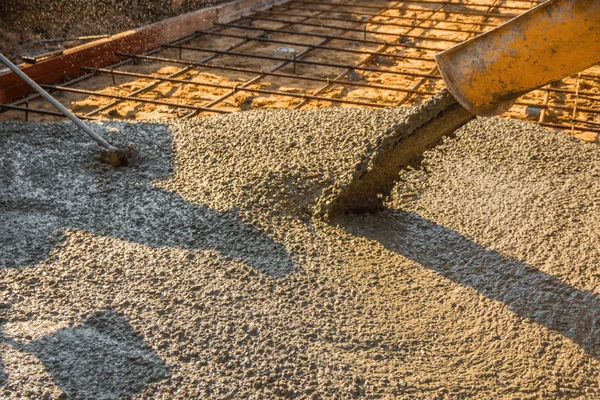
A concrete driveway is formed using cement, aggregates, and water. Once cured, it becomes a rigid, hard surface that resists heavy loads well. Meanwhile, an asphalt driveway uses bitumen mixed with crushed stone and sand. Bitumen gives asphalt flexibility, allowing it to expand and contract more easily.
If you’re comparing a concrete driveway vs. an asphalt driveway, this difference in rigidity vs. flexibility is one of the most critical factors.
Timeline and Labor Requirements
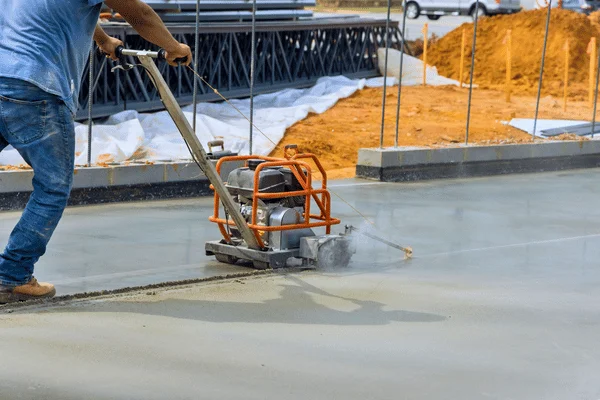
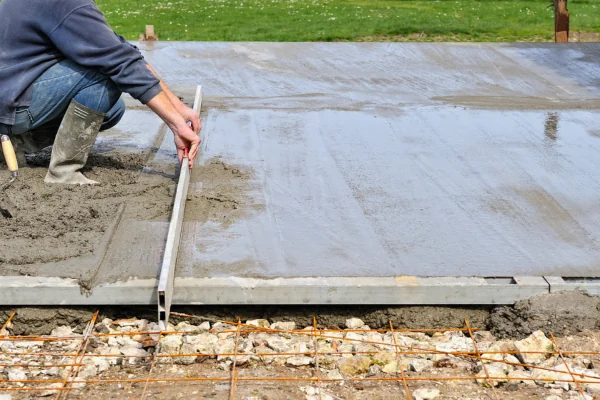
Asphalt installs quickly, often in a single day, and only needs about 24-48 hours before it’s drivable. Concrete requires several days for pouring, finishing, and curing, and you may need to wait up to a week before parking a vehicle on it.
This is one reason many homeowners choose asphalt when they need results quickly or have limited construction downtime.
Concrete Driveway vs. Asphalt Driveway: Cost Breakdown
Price often shapes the final decision, but it’s crucial to balance upfront cost with long-term performance.
Upfront Installation Expenses
Asphalt is typically the more budget-friendly option:
- Asphalt: $2–$5 per sq. ft.
- Concrete: $4–$10 per sq. ft.
If your priority is the lowest initial expense, asphalt offers a clear advantage. But material quality and soil preparation can shift these numbers, so always compare quotes carefully.
Long-Term Value and ROI
Concrete generally lasts longer, often 25 to 30 years, while asphalt lasts about 15 to 20 years. In the concrete vs. asphalt driveway decision, this longer lifespan translates to better long-term value for many homeowners.
However, asphalt’s lower initial cost and simpler repairs keep it competitive. If you prefer predictable, lower maintenance expenses rather than a higher upfront investment, asphalt may better align with your goals.
Durability Showdown: Which Surface Lasts Longer?
Your driveway’s durability depends not only on material quality but also on how well it responds to your climate, vehicle load, and soil conditions.
Structural Strength and Load Capacity
Concrete’s rigidity makes it ideal for heavier vehicles, RV parking, or frequent use. Asphalt’s flexible composition allows it to absorb pressure and movement without immediate cracking, though it can form ruts under extreme weight.
Key considerations:
- Concrete supports heavy loads exceptionally well.
- Asphalt flexes more easily, reducing the risk of sudden cracking.
- Concrete Driveway thickness and base preparation significantly influence both surfaces.
Climate and Weather Resistance
Climate may be the most critical factor in the asphalt driveway vs. concrete comparison.
- Concrete excels in hot regions but may crack during freeze-thaw cycles.
- Asphalt performs well in cold climates but softens in extreme heat.
If your area experiences extreme seasonal changes, asphalt may be more forgiving. In consistently warm regions, concrete typically lasts longer.
Asphalt Driveway vs. Concrete: Maintenance Requirements
Maintenance can make or break your long-term satisfaction with your driveway. Even the strongest material needs care to perform well.
Routine Care and Upkeep
Both surfaces benefit from routine maintenance, but asphalt requires more frequent attention.
- Asphalt should be sealcoated every 1–3 years.
- Concrete needs cleaning and occasional crack sealing.
- Both surfaces should be kept clear of debris and oil stains.
- Prompt crack repair prevents deeper structural issues.
The difference comes down to frequency: asphalt needs consistent, scheduled upkeep, while concrete’s needs are more occasional.
Repair Costs and Complexity
If damage occurs, asphalt is much easier and less expensive to repair. Many fixes involve simple patching or re-sealing. Concrete repairs often require removing and re-pouring sections to maintain appearance and structural integrity.
For homeowners wanting lower repair costs and straightforward fixes, asphalt has a clear advantage.
What Permits and Codes Apply to Driveway Installation?
Every region has its own requirements, and skipping this step can lead to fines or required reinstallation.
Local Regulations and Requirements
When planning to install a driveway, it is crucial to understand the local regulations and requirements that apply in your area. These can vary greatly, so before installation begins, check:
- Setback requirements.
- Driveway width limits.
- Drainage rules.
- Material restrictions.
- Placement regulations.
Some areas require grading plans or inspections depending on slope and runoff.
Professional Standards and Certifications
Hiring a contractor who knows local codes ensures your driveway is both compliant and built correctly. Certified professionals also understand best practices for base preparation, thickness, curing, and drainage, elements that directly affect lifespan.
Environmental Impact and Sustainability
Sustainability is becoming a major decision factor for many homeowners.
- Asphalt is highly recyclable, often reused in road construction.
- Concrete production consumes more energy, but its long lifespan offsets some environmental impact.
- Asphalt absorbs more heat, contributing to higher surface temperatures.
- Concrete stays cooler, improving comfort in hot climates.
If sustainability matters, consider recycled asphalt or permeable concrete options.
Making Your Decision: Key Factors to Consider
With so many variables in the debate of concrete vs. asphalt driveways, the best choice depends on what matters most to you.
Budget and Timeline Priorities
- Asphalt: faster installation, lower upfront cost.
- Concrete: higher cost but greater longevity.
If you need a functional driveway quickly, asphalt wins. If long-term value is your priority, concrete delivers.
Property-Specific Considerations
Your soil, grading, vehicle weight, and climate all influence performance. Concrete may crack in harsh winters, while asphalt may soften in high heat. Evaluate drainage patterns and your home’s architecture as well, both can influence material choice.
Professional Selection Tips
Comparing contractors is just as important as choosing materials. Look for:
- Transparent pricing.
- Experience with your region’s climate.
- Strong reviews and references.
- Knowledge of local codes.
- Clear explanations of materials and installation methods.
Great installation is what turns a driveway into a long-lasting investment.
Choosing the Right Driveway- Professional Help When You Need

So, concrete vs. asphalt driveway? Both concrete and asphalt offer benefits, but the best choice depends on your priorities. If affordability and quick installation matter most, asphalt is reliable and practical. If you want a driveway built for long-term strength and minimal maintenance, concrete is worth the higher upfront investment.
Your climate, budget, maintenance expectations, and aesthetic goals all play a role. And when you’re ready to get expert guidance:
Concrete or Asphalt? We’ve Got You Covered! Contact Santa Fe Concrete Contractors today and get professional advice plus a custom quote for your driveway.
FAQ: Concrete vs. Asphalt Driveway Questions
1. Which is cheaper to install, concrete or asphalt?
Asphalt is generally the more affordable choice. Most asphalt driveways cost between $2 and $5 per square foot, while concrete typically ranges from $4 to $10 per square foot. Asphalt also requires less labor and cures faster, which can reduce installation-related expenses. Concrete may cost more upfront, but it often lasts longer, so consider both short- and long-term value.
2. How long do concrete and asphalt driveways last?
Concrete usually lasts 25–30 years, while asphalt averages 15–20 years. Concrete’s rigidity gives it excellent long-term strength, but it can crack in extreme cold. Asphalt handles freeze-thaw cycles better but breaks down faster under UV exposure and heavy use. Regular maintenance, proper base preparation, and climate all play major roles in lifespan.
3. Can you install a driveway in winter?
Driveway installation during winter is possible, but conditions must be controlled. Asphalt requires warmer temperatures to compact properly, while concrete needs protection from freezing during curing. Contractors may use additives, insulated blankets, or heat to stabilize the area. If the temperature regularly dips below freezing, delaying installation may ensure better long-term performance.
4. Which driveway is better for hot climates?
Concrete performs better in extreme heat because it reflects sunlight and stays cooler. Asphalt absorbs heat and can soften or develop impressions during hot summer months. For homeowners in warm or desert climates, concrete generally offers better durability and comfort. Asphalt remains a good option in moderate climates where temperatures don’t reach extremes.
5. Will a new driveway increase home value?
Yes. A clean, well-installed driveway boosts curb appeal and signals proper home maintenance. Concrete tends to add more value because of its longevity and appearance, but a fresh asphalt driveway improves value as well, especially when replacing an aging surface. A properly maintained driveway is always a selling point for potential buyers.
6. How soon can I park on a new driveway?
You can usually park on asphalt after 24–48 hours, depending on the weather. Concrete requires at least 7 days to cure before supporting a vehicle. Walking on either surface is typically allowed sooner, but always follow your contractor’s guidance based on local temperature and humidity.